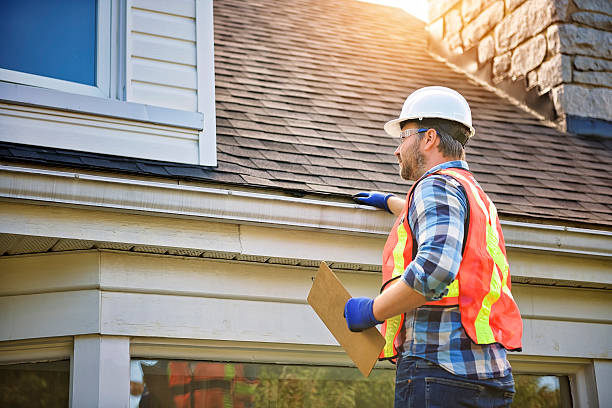

A small roofing problem can be easy to postpone. A slightly lifted shingle, a minor stain near the ceiling, or a leak that only appears during heavy rain may not seem like an immediate concern. Yet roofing problems are rarely static. Exposure to wind, precipitation, sunlight, and temperature changes can gradually turn a localized defect into a more complicated repair.
For homeowners, the goal is not to treat every roof imperfection as an emergency. It is to recognize when early action can prevent unnecessary damage and preserve the performance of the larger roofing system.
Small Roof Problems Can Affect More Than the Surface
A roof consists of multiple layers and components working together. The visible roofing material—whether shingles, tiles, metal, or another product—is only one part of the system. Underlayment, decking, flashing, ventilation, drainage components, and penetrations all play important roles.
This means a seemingly minor problem at the surface can sometimes affect areas that homeowners cannot see.
For example, a damaged shingle may expose the material beneath it to moisture. Compromised flashing around a chimney, vent, or skylight can allow water to enter at a vulnerable transition point. Over time, repeated moisture exposure may affect decking, insulation, ceilings, or other building materials.
The longer the underlying cause remains unresolved, the more difficult it can become to determine where the problem began.
Early investigation can help homeowners understand whether they are dealing with simple maintenance, an isolated repair, or evidence of a broader roofing issue.
Know the Warning Signs of Roof Damage
Roof damage does not always announce itself with water pouring through the ceiling. Many problems begin with subtle changes.
Homeowners should periodically observe both the exterior and interior of their property. Common reasons to investigate the roof include:
- Missing, cracked, curled, or displaced shingles
- Water stains on ceilings or upper walls
- Damp areas or staining in the attic
- Damaged or separated flashing
- Roofing debris appearing around the property
- Sections of the roof that appear uneven
- Leaks that occur during rain or snowmelt
- Damaged areas following strong winds or storms
- Unexplained moisture around chimneys, vents, or skylights
- Repeated problems in an area that was previously repaired
Some of these symptoms can have causes unrelated to the roof, so observation alone should not be treated as a diagnosis. Their value is that they give homeowners a reason to investigate further.
This is especially important after severe weather. Wind can lift or displace roofing materials without causing an immediate interior leak, leaving a vulnerable area that may become noticeable only during a later storm.
Repairing a Roof Starts With Finding the Actual Cause
Stopping visible water is only part of a successful roof repair. The more important task is identifying how and where moisture is entering the roofing system.
Water can travel after it penetrates a roof. It may follow decking, rafters, pipes, or other structural components before becoming visible inside the house. As a result, a ceiling stain may appear several feet away from the actual entry point.
A careful roof evaluation may include examining shingles or other surface materials, flashing, roof penetrations, underlayment, decking, ventilation features, gutters, chimneys, and skylight interfaces.
Homeowners in Northern Nevada researching what a professional repair process may involve can use Gomez Roofing’s roof repair services as one example of the issues contractors may inspect and address, including leaks, damaged flashing, cracked shingles, weather-related damage, and roofing interfaces.
Finding the cause matters because simply addressing the most obvious symptom may leave the original vulnerability in place.
Repair or Replace? Condition Matters More Than a Single Symptom
Discovering roof damage naturally raises another question: is repairing the affected area enough, or is it time to consider replacement?
A leak by itself does not necessarily mean an entire roof needs to be replaced. Conversely, repeatedly repairing an extensively deteriorated roofing system may not always be the most practical long-term approach.
Several factors can influence that decision.
Extent of the Damage
A localized area affected by wind or another isolated event may be a candidate for repair when the surrounding roof remains in good condition. Damage distributed across large portions of the roof requires a broader evaluation.
Overall Roof Condition
The condition of surrounding materials matters just as much as the damaged section. A repair must integrate with the existing roofing system, so widespread deterioration can influence the available options.
History of Previous Problems
One isolated leak is different from recurring leaks in several areas. Keeping records of previous repairs can help identify patterns and provide useful information during an inspection.
Condition Below the Roofing Material
Surface damage may not reveal everything happening underneath. If moisture has affected underlayment or decking, additional work may be necessary even when the visible damage appears limited.
A professional assessment should focus on these practical factors rather than assuming that repair or replacement is automatically the correct answer.
Preventive Habits Can Reduce Surprises
Homeowners cannot prevent every roofing problem, particularly when severe weather is involved. However, basic maintenance can make it easier to identify problems before they become disruptive.
Start by visually checking the roof from a safe location several times throughout the year and after significant storms. Look for obvious changes in roofing materials, flashing, gutters, and the general roofline.
Keep gutters and downspouts functioning properly so water can move away from the structure. Accumulated debris can interfere with drainage and create unnecessary moisture exposure near roof edges.
Tree branches should also be monitored. Branches that rub against roofing materials can cause wear, while damaged or unstable limbs can become a hazard during strong winds.
Inside the property, periodically check attics and upper rooms for moisture stains, damp insulation, or other unexplained changes.
Just as importantly, avoid unsafe DIY inspections. Walking on a roof introduces fall risks and can sometimes damage roofing materials. Many useful observations can be made from the ground, while detailed inspections can be handled with appropriate safety equipment.
A Faster Response Creates More Options
One of the biggest advantages of addressing roofing concerns promptly is flexibility.
When homeowners investigate a problem early, they generally have more time to understand what happened, review the condition of the roof, and consider appropriate solutions. Waiting until water is actively entering the home can turn the same decision into an urgent one.
A faster response can also help limit secondary damage. Roofing materials are designed to protect the structure underneath them. When that protective system develops an opening, continued exposure may affect materials that were not originally damaged.
This does not mean homeowners need to panic at every loose shingle. It means changes should be documented, monitored, and investigated appropriately rather than ignored indefinitely.
Conclusion
Roof repair is ultimately about maintaining a protective system rather than simply fixing what is visible from the street. Shingles, flashing, decking, underlayment, ventilation, gutters, chimneys, and skylights can all influence how effectively a roof manages weather and moisture.
Homeowners who recognize warning signs early are better positioned to determine whether a problem requires maintenance, a localized repair, or a broader solution. Regular observation, attention after storms, functional drainage, and timely professional evaluation can all contribute to that process.
Most importantly, small roofing concerns deserve proportionate attention before they have an opportunity to spread. A proactive approach can make repairs easier to plan, help protect surrounding building materials, and give homeowners clearer choices about maintaining one of the most important protective systems on their property.