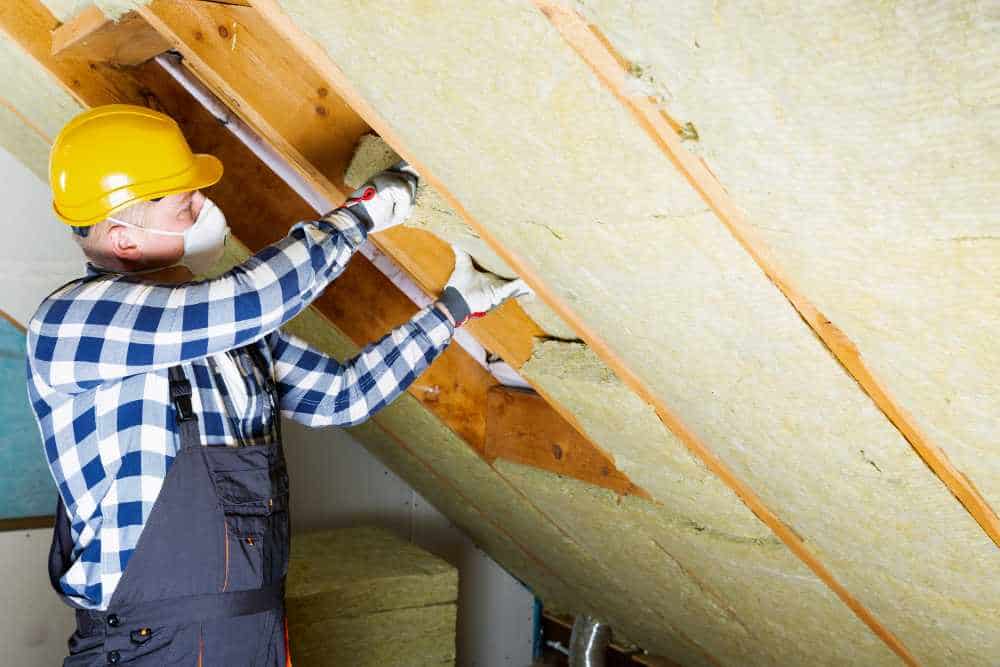

A federal tax credit may help cover qualifying insulation costs under the Inflation Reduction Act, but eligibility depends on the tax year. The federal Energy Efficient Home Improvement Credit covered qualifying improvements installed through December 31, 2025. For projects planned in 2026, homeowners should verify current federal tax rules rather than assume the credit remains available.
There is an important distinction between a tax credit and a utility rebate. A tax credit reduces eligible federal tax liability, while a utility rebate may reduce the installation cost directly. Product documentation, property use, installation dates, and applicable program rules determine whether expenses qualify.
That makes it important to understand the material requirements and eligibility conditions for any utility incentive before planning an insulation upgrade.
What Are the Material and Performance Specs Needed to Qualify for FPL’s Rebate?
FPL rebate qualification depends on the project’s specifications. Homeowners considering attic insulation in Broward County must check the program’s stated requirements for the existing insulation’s R-value, the ceiling location, and the proposed upgrade. Product documentation and installation by an FPL-approved Participating Independent Contractor (PIC) are also important.
The existing insulation must meet FPL’s eligibility criteria. Its published guidance states that a home’s current insulation must have an R-value below R-8 to qualify for the $220 ceiling insulation rebate. The installation must also meet the program’s requirements, including access to attic spaces for assessment. Confirm the current terms with FPL before proceeding.
How Frequently Can Broward Homeowners Claim the FPL Insulation Rebate?
Homeowners should treat the FPL insulation rebate as an infrequent incentive rather than a recurring benefit. The program sets limits on how often a property can qualify, so you cannot assume that you will receive another rebate each time you add, replace, or upgrade ceiling insulation.
The property’s previous rebate history matters. If a prior owner already claimed the incentive, the property may not qualify again within the applicable period. Check the property’s eligibility before including the rebate in your project budget.
Each residential premises in Broward County may receive the $220 ceiling insulation rebate only once every 20 years.
FPL’s published guidance states that the $220 ceiling insulation rebate can be used once every 20 years. This means homeowners should check the property’s eligibility rather than assume that a new owner automatically qualifies for another rebate. If you purchase a home after a previous owner has claimed the rebate, you may need to wait until the property’s eligibility period allows another claim. Confirm the current program terms and the property’s rebate history before scheduling the work.
There is a clear planning point: verify eligibility before treating the rebate as part of your available project funding.
What Are Typical Out-of-Pocket Costs for Attic Insulation After Rebates and Tax Credits?
Your remaining project cost is the installed price minus any incentives you qualify for and actually receive. For an insulation project in Broward County, the final amount can vary with the area treated, insulation material, installation method, labor, existing conditions, and applicable program requirements.
A tax credit may reduce your tax liability for an eligible installation completed in a qualifying tax year, but it does not necessarily reduce the amount payable to the installer at the time of installation. The federal Energy Efficient Home Improvement Credit covered qualifying improvements installed through December 31, 2025. Homeowners planning work in 2026 should not include that expired credit in their projected savings unless current official guidance establishes otherwise.
To estimate your net investment, compare the full written quote with verified incentives, confirm the property’s eligibility, and account for applicable tax requirements before work begins.
Comparison: FPL Rebate vs. HEEHR Rebate vs. Federal Tax Credit for a Typical Broward Home
For net cost, this table compares four key points.
| Program | How it usually helps you | Main takeaway for a Broward home |
|---|---|---|
| FPL rebate | Eligible homeowners receive a rebate under the utility’s program rules. | The published ceiling insulation rebate is $220, subject to eligibility requirements and the property’s claim history. |
| HEEHR rebate | Eligible households may receive assistance for qualifying energy-efficiency upgrades, including insulation. | Income and project eligibility affect the potential rebate. Florida’s program portal states that applications are expected to open in the future, so confirm availability before relying on funding. |
| Federal tax credit | Qualifying expenses may reduce federal tax liability when the credit is available for the relevant tax year. | The Energy Efficient Home Improvement Credit covered qualifying improvements installed through December 31, 2025. Do not assume it applies to installations in 2026. |
| Best use together | You compare each program’s rules before work starts. | Count only confirmed incentives when calculating the amount you will need to fund. |
Florida’s official energy rebate portal provides current program information and application updates for HEEHR. Check the portal for the latest eligibility and availability details.
How Income Levels Affect Your Rebate Amounts Under HEEHR
Your HEEHR rebate amount depends on household income and the program’s eligibility rules, so income status can shape how much assistance you may receive. Under the published program framework, eligible households earning less than 80% of area median income may qualify for rebates covering up to 100% of qualified project costs. Households earning between 80% and 150% of area median income may qualify for rebates covering up to 50% of those costs, subject to program limits and approval.
The result is that two households undertaking similar insulation work may receive different levels of assistance. For insulation projects in Broward County, check the applicable income threshold, household size, qualified project costs, and current application status before relying on HEEHR funding. The program portal indicates that applications are expected to open in the future, so assistance should not be treated as guaranteed.
The practical answer is conditional: do not treat a tax credit or rebate as guaranteed coverage for an insulation project. Confirm the current eligibility rules, required insulation specifications, application deadlines, and payment method before work begins.
Then compare the written project price with only the incentives confirmed for your property and project date. Properly selected and installed insulation can support indoor comfort, energy efficiency, and reduced HVAC demand, making it important to evaluate the building’s needs alongside any available financial assistance.