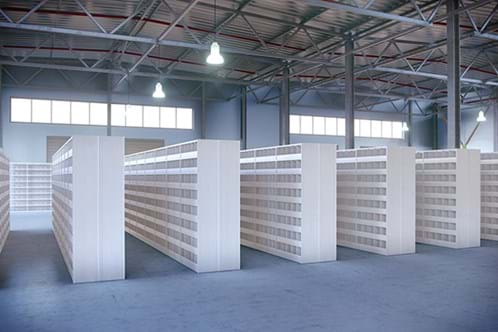

Effective storage plays an important role in keeping homes, workplaces and commercial environments organised. Whether storing tools, equipment, stock or household belongings, choosing the right shelving system can improve accessibility, maximise available space and create a safer environment.
Metal shelving is widely used across different settings because of its durability, versatility and ability to support a range of storage requirements. Understanding the different types, materials and configurations can help when planning an efficient storage area.
What Is Metal Shelving?
Metal shelving refers to storage systems constructed primarily from steel or other metals. These systems typically consist of vertical supports and horizontal shelves designed to hold items at different heights.
Unlike some wooden or plastic alternatives, metal shelving can offer greater resistance to wear and provide reliable support for heavier objects when correctly specified.
Shelving units are available in various sizes, finishes and load capacities, making them suitable for everything from small domestic cupboards to large industrial warehouses.
Different Types of Metal Shelving
Boltless Shelving
Boltless shelving uses interlocking components rather than traditional nuts and bolts. This design allows units to be assembled and adjusted relatively easily.
It is commonly used in garages, workshops, stockrooms and storage facilities where shelving arrangements may need to change over time.
Heavy-Duty Steel Shelving
Heavy-duty shelving is designed for environments requiring greater load-bearing capacity. These systems often feature reinforced steel frames and shelves capable of supporting substantial weights.
Typical applications include industrial storage, engineering workshops and commercial stockrooms.
Adjustable Metal Shelving
Adjustable shelving allows users to reposition individual shelves to accommodate objects of different heights.
This flexibility is particularly useful in environments where inventory sizes change regularly or where storage space must serve several purposes.
Benefits of Metal Shelving
Durability and Strength
One of the main advantages of metal shelving is its structural strength. Steel shelving systems can withstand regular handling and demanding storage conditions when used within their rated capacities.
Protective finishes, such as powder coating or galvanisation, can also help reduce corrosion, depending on the surrounding environment.
Maximising Vertical Space
Storage areas often have limited floor space but unused height. Shelving systems make it possible to utilise vertical space while keeping items organised and accessible.
This is particularly valuable in smaller warehouses, garages and utility rooms.
Improved Organisation
Clearly arranged shelving helps establish designated locations for equipment, materials and supplies.
Labelling shelves and grouping similar items together can reduce the time spent searching for products and make stock management more straightforward.
Easy Maintenance
Metal surfaces are generally straightforward to clean and maintain. Regular inspection and appropriate cleaning can help preserve their condition and identify potential damage before it becomes a safety concern.
Where Is Metal Shelving Commonly Used?
Warehouses and Stockrooms
In commercial environments, metal shelving helps organise inventory, packaging materials and frequently accessed products. Suitable shelving arrangements can improve stock rotation and make daily operations more efficient.
Garages and Workshops
Garages and workshops frequently require storage for tools, spare parts, paint containers and maintenance equipment.
Metal shelving provides a practical way to separate different materials while keeping work surfaces clear.
Offices and Domestic Storage
In offices, shelving can accommodate archived documents, stationery and equipment. At home, it can be used in utility rooms, sheds, cupboards and garages to organise everyday belongings.
Choosing the Right Metal Shelving
Consider Weight Capacity
Different shelving systems have different weight limits. Before selecting a unit, consider the weight of the items being stored and whether the load will be distributed evenly.
Both individual shelf capacities and overall unit limits should be checked.
Measure the Available Space
Accurate measurements are essential when planning storage. Consider ceiling height, floor space, doorways and the clearance needed to access stored items.
Allowing sufficient space between shelving units also makes movement and handling safer.
Assess Environmental Conditions
Storage environments can influence the type of shelving required. Areas exposed to moisture may benefit from corrosion-resistant finishes, while dry indoor environments may have fewer protective requirements.
Maintaining Metal Shelving Safely
Regular maintenance helps shelving remain functional and secure. Units should be inspected for loose fittings, damaged components, corrosion and signs of excessive loading.
Heavier objects should generally be positioned on lower shelves to improve stability, while frequently used items should remain within comfortable reach.
Following manufacturer instructions and avoiding overloading are important considerations for maintaining safe storage conditions.
Conclusion
Metal shelving provides a versatile storage solution for domestic, commercial and industrial environments. Its strength, adaptability and space-saving design make it suitable for organising a wide variety of materials.
By considering load capacity, available space, environmental conditions and maintenance requirements, shelving systems can support safer, more organised and efficient storage over the long term.