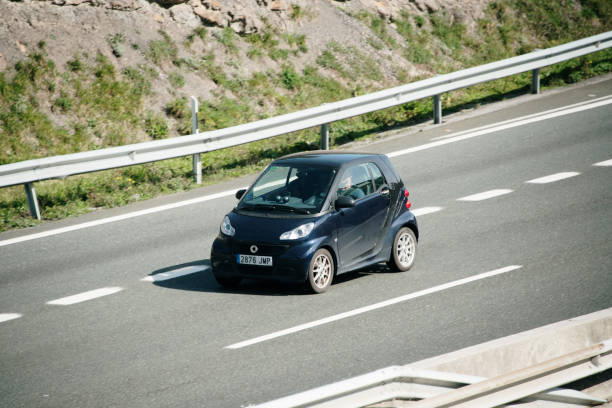

The automotive industry is undergoing a revolution, and at the forefront of this transformation are smart cars. These vehicles, equipped with advanced sensors, artificial intelligence, and connectivity features, are reshaping how we approach daily travel. From reducing traffic congestion to enhancing safety and comfort, smart cars are changing the very nature of everyday commutes.
The Rise of Smart Cars
Smart cars, often referred to as connected or intelligent vehicles, combine traditional automotive engineering with cutting-edge technology. They utilize a network of sensors, cameras, radar systems, and AI algorithms to monitor their surroundings, make real-time decisions, and communicate with other vehicles and infrastructure. This level of connectivity allows for a more informed, efficient, and safe driving experience.
Companies like Tesla, Waymo, and BMW have been leading the development of these vehicles, each pushing the boundaries of autonomous and semi-autonomous driving.
Reducing Commute Stress
One of the most immediate benefits of smart cars is the reduction of stress during daily commutes. Traditional driving often involves stop-and-go traffic, constant vigilance, and navigating complex city streets—all factors that contribute to commuter fatigue. Smart cars, however, can adapt to traffic conditions in real-time, maintain safe distances from other vehicles, and even suggest optimal routes to avoid congestion.
AI-powered navigation systems analyze traffic patterns and offer dynamic rerouting options. For instance, if an accident occurs on a main thoroughfare, a smart car can automatically calculate the fastest alternate route, saving both time and frustration. This capability not only improves the commuter’s experience but also helps in reducing overall traffic congestion in urban areas.
Enhanced Safety on the Roads
Safety has always been a critical concern for commuters, and smart cars are revolutionizing this aspect as well. Advanced driver-assistance systems (ADAS) include features like automatic emergency braking, lane-keeping assistance, blind-spot monitoring, and adaptive cruise control. These technologies significantly reduce the likelihood of accidents caused by human error.
For example, automatic emergency braking can detect a sudden obstacle and apply the brakes faster than a human driver, potentially preventing a collision. Lane-keeping systems ensure the vehicle stays centered, even on long highway drives, reducing the risk of accidents due to drowsiness or distraction. The integration of AI in these systems means that smart cars are continuously learning from real-world driving conditions, becoming safer with time.
Environmental Benefits
Another major advantage of smart cars is their positive impact on the environment. Many smart cars are electric or hybrid vehicles, contributing to lower carbon emissions compared to traditional internal combustion engines. Additionally, intelligent route planning reduces fuel consumption by minimizing idle time in traffic and optimizing driving patterns.
The adoption of smart cars, therefore, is not just a convenience for commuters—it is a step toward sustainable urban mobility. Cities with a higher penetration of smart vehicles are likely to see a decrease in air pollution, which directly improves public health and quality of life.
Improved Accessibility
Smart cars also have the potential to make commuting more accessible for individuals who may struggle with traditional driving. People with certain disabilities, elderly individuals, or those who find city driving stressful can benefit immensely from semi-autonomous and autonomous driving features.
For example, fully autonomous vehicles could allow someone who is visually impaired or has limited mobility to commute independently, opening new opportunities for employment, education, and social engagement. By making transportation more inclusive, smart cars are redefining the concept of personal mobility.
Connectivity and Integration
Modern smart cars are highly connected, allowing seamless integration with smartphones, smart homes, and even public transportation systems. Drivers can schedule their daily commute, check traffic conditions, and receive maintenance alerts—all from a central digital interface.
Vehicle-to-vehicle (V2V) and vehicle-to-infrastructure (V2I) communication are also becoming increasingly common. This means cars can exchange information with each other and with traffic signals, improving traffic flow and reducing accidents at intersections. In the future, fully connected smart cities could coordinate thousands of vehicles simultaneously, creating a smoother and safer commuting experience for everyone.
Challenges and Considerations
Despite the many benefits, there are still challenges to widespread smart car adoption. Privacy concerns regarding the data collected by these vehicles are significant, as they continuously track location, driving behavior, and sometimes personal habits. Cybersecurity is another critical issue; connected vehicles can be vulnerable to hacking if proper safeguards are not in place.
Additionally, the high cost of smart cars and the need for robust infrastructure can limit accessibility in some regions. Governments and manufacturers must work together to create policies, charging networks, and maintenance systems to ensure that the benefits of smart cars reach a wider population.
The Future of Commuting
Looking ahead, the evolution of smart cars promises a future where commuting is faster, safer, and more environmentally friendly. Fully autonomous vehicles could eventually replace the need for manual driving altogether, freeing commuters to use travel time productively or for leisure.
Integration with other modes of transport, like ride-sharing and public transit, could lead to an era of truly seamless mobility. Imagine entering a smart vehicle that automatically navigates traffic, coordinates with other autonomous cars, and drops you exactly at your destination while you focus on work, entertainment, or rest.
Conclusion
Smart cars are no longer a futuristic concept—they are actively transforming everyday commutes around the world. By reducing stress, improving safety, lowering environmental impact, and increasing accessibility, they are reshaping the daily experience of millions of commuters. While challenges like privacy, cost, and infrastructure remain, the potential benefits are immense.
As technology continues to advance, smart cars will likely become an integral part of modern life, making commuting not just a necessity, but a safer, more efficient, and even enjoyable experience. The road ahead is exciting, and for commuters, the journey is just beginning.