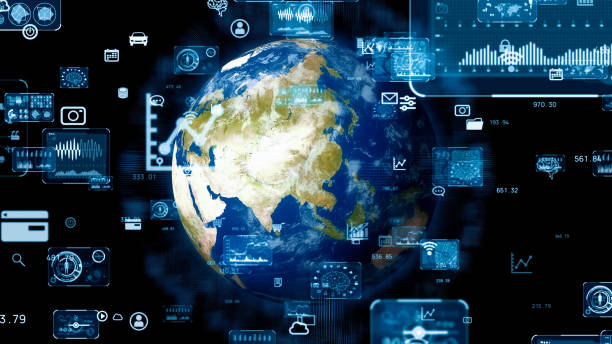

In the last decade, smart devices have rapidly transformed from luxury gadgets into essential tools of everyday life. From smartphones and smartwatches to intelligent home systems and AI-powered assistants, technology is now deeply embedded in the way we live, work, and communicate. Smart devices are not just about convenience; they are reshaping industries, influencing human behavior, and redefining the future of modern society.
The Rise of Smartphones and Connectivity
The foundation of the smart device revolution began with the smartphone. When companies like Apple introduced the iPhone, and Samsung expanded the possibilities with its Galaxy series, mobile phones evolved into powerful mini-computers. Today, smartphones are central hubs that connect us to social media, banking, healthcare, entertainment, and education.
With high-speed internet and 5G technology, smart devices now enable real-time communication across the globe. Video calls, instant messaging, and cloud-based collaboration have made remote work and online learning more efficient than ever. This connectivity has created a world where information is available at our fingertips within seconds.
Smart Homes and Intelligent Living
Smart home technology is another major development shaping modern life. Devices like the Amazon Echo, powered by Alexa, and Google Nest systems allow users to control lights, temperature, security cameras, and appliances through voice commands or mobile apps.
Smart thermostats learn user preferences and automatically adjust temperatures to save energy. Smart security systems provide live monitoring and instant alerts, improving safety. These innovations not only offer convenience but also promote energy efficiency and sustainability. As cities grow and environmental concerns increase, intelligent living solutions are becoming more important.
Wearable Technology and Health Monitoring
Wearable smart devices have revolutionized personal health management. Products such as the Apple Watch and fitness trackers from Fitbit monitor heart rate, sleep patterns, steps, and even blood oxygen levels. These devices encourage healthier lifestyles by providing real-time data and personalized insights.
In many cases, wearable technology can detect irregular heart rhythms or sudden changes in vital signs, prompting users to seek medical attention early. This proactive approach to health monitoring reduces risks and supports preventive healthcare. As artificial intelligence continues to improve, wearable devices will become even more accurate and essential in medical care.
Smart Devices in Education
Education has also been transformed by smart technology. Tablets, interactive whiteboards, and AI-powered learning platforms have made education more accessible and engaging. Students can attend virtual classes, access digital libraries, and collaborate with peers worldwide.
Platforms like Google Classroom and tools developed by Microsoft enable teachers to manage assignments, track progress, and communicate effectively with students. Smart devices have broken geographical barriers, allowing learners from remote areas to access quality education.
Personalized learning is another major benefit. AI-driven systems analyze student performance and recommend tailored study materials. This approach improves understanding and supports individual growth, making education more inclusive and effective.
Smart Transportation and Mobility
Transportation systems are becoming smarter through connected devices and automation. Companies like Tesla are integrating advanced sensors and AI into vehicles to improve safety and efficiency. Features such as autopilot, lane assist, and smart navigation systems help reduce accidents and enhance driving experiences.
Ride-sharing apps and GPS tracking systems have optimized urban mobility. Real-time traffic data allows drivers to avoid congestion, saving time and fuel. As smart transportation continues to evolve, autonomous vehicles and smart traffic management systems may significantly reduce pollution and traffic-related problems.
The Role of Artificial Intelligence
Artificial intelligence (AI) is the backbone of modern smart devices. AI allows devices to learn from user behavior, predict preferences, and automate tasks. Virtual assistants respond to voice commands, recommendation systems suggest content, and smart cameras recognize faces.
Machine learning algorithms process vast amounts of data to improve device performance. For example, smartphones now use AI to enhance photography, optimize battery life, and detect spam calls. This intelligent automation increases productivity and simplifies daily tasks.
Challenges and Concerns
Despite their benefits, smart devices also raise important concerns. Privacy and data security are major issues. As devices collect personal data, there is a risk of misuse or cyberattacks. Companies must invest in strong security systems to protect user information.
Another challenge is digital dependency. Excessive use of smart devices can affect mental health, reduce face-to-face interaction, and lead to addiction. Balancing technology use with real-world engagement is essential for a healthy lifestyle.
Additionally, electronic waste is increasing due to rapid technological upgrades. Sustainable manufacturing and recycling practices are necessary to minimize environmental impact.
The Future of Smart Devices
The future of smart devices looks promising and innovative. With advancements in AI, the Internet of Things (IoT), and 6G connectivity, devices will become more integrated and intuitive. Smart cities may use connected sensors to manage traffic, energy, and public services efficiently.
Healthcare may see remote surgeries supported by robotic systems and real-time monitoring. Education could become more immersive with augmented reality (AR) and virtual reality (VR) technologies. Everyday objects—from refrigerators to cars—will communicate seamlessly to create a fully connected ecosystem.
Conclusion
Smart devices are shaping our modern world in powerful and transformative ways. They enhance communication, improve healthcare, revolutionize education, and make homes and cities more efficient. While challenges such as privacy and digital dependency remain, responsible use and continuous innovation can maximize their benefits.
As technology continues to evolve, smart devices will play an even greater role in defining the future of humanity. They are not just tools; they are companions in our journey toward a smarter, more connected, and more efficient world.