
Reliable connectivity is essential for industrial automation, control systems and electronic equipment. Choosing the right connector helps maintain stable connections, simplify installation and support dependable performance in demanding environments. M12 and D-Sub connectors serve different purposes in industrial and electronic applications, so it’s important to understand their features and suitability before selecting components.
M12 Connectors Support Industrial Automation
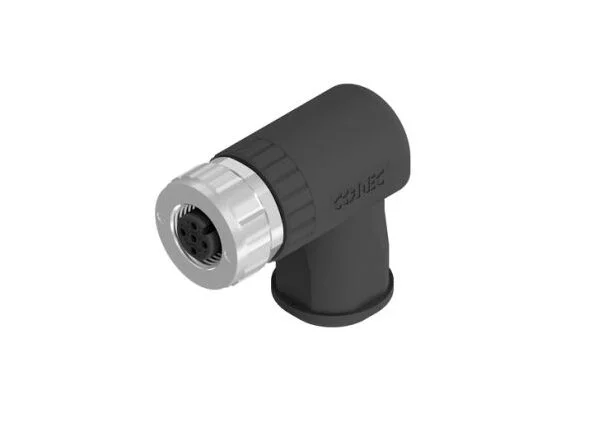
An M12 connector is a circular connector commonly used in industrial automation, sensor systems and factory equipment. Its compact design and secure threaded coupling make it suitable for applications that require dependable connections in environments exposed to vibration, dust, or moisture.
M12 connectors are available in different coding configurations, pin counts and cable arrangements. Each configuration is designed for particular applications, such as sensor connections, actuators, industrial Ethernet and other communication systems. Selecting the right coding and pin configuration ensures compatibility and reduces the risk of incorrect connections.
When choosing an M12 connector, engineers and purchasing teams should consider the operating environment, required protection rating, electrical specifications and installation requirements. Cable length, mounting style and connector gender can also affect compatibility with existing equipment.
D-Sub Connectors Provide Versatile Electronic Connections
D-Sub connectors are widely used in computing, industrial electronics, communications equipment and control systems. Their distinctive D-shaped metal shell helps align the connector and provides mechanical support when connected to a compatible socket.
Available in several shell sizes and contact configurations, D-Sub connectors can support a range of signal and interface requirements. They are often found in serial communication interfaces, test equipment, instrumentation and legacy electronic systems where established connection standards remain important.
Choosing the right D-Sub connector involves checking the number of contacts, mounting arrangement, termination type and electrical requirements. Options may include solder, crimp or PCB mounting, depending on the product design. Also verify the connector’s gender and mating interface before ordering replacement or new components.
M12 and D-Sub Connectors Meet Different Application Needs
Although both connector types establish electrical connections, their designs and typical applications differ.
M12 connectors are particularly common in industrial environments where compact connections, secure coupling, and environmental protection matter. D-Sub connectors are often selected for signal interfaces, instrumentation and electronic equipment that use established D-shaped connector formats.
The best choice depends on the equipment, installation conditions and electrical requirements. Review the technical datasheet before purchasing to confirm the connector meets the application’s specifications and is compatible with the intended equipment.
Component Buddy Helps Buyers Source Electronic Components
Component Buddy provides an online source for electronic components, helping engineers, maintenance teams and procurement professionals find parts for a variety of applications. When sourcing M12 connectors or D-Sub connectors, buyers can use product specifications to narrow their options and identify components that match their technical requirements.
Before placing an order, check key details such as contact configuration, mounting type, dimensions, and compatibility with existing equipment. For industrial applications, environmental ratings and cable requirements may also be essential considerations.
Understanding these specifications can make component selection more efficient, especially when maintaining existing systems or sourcing parts for new projects.
Accurate Connector Selection Supports Long-Term Reliability
Base connector selection on the requirements of the complete system rather than appearance alone. Factors such as operating temperature, vibration, moisture exposure, electrical ratings and connection frequency can influence which component is most appropriate.
For maintenance and replacement projects, matching the original connector’s specifications can help prevent compatibility issues. For new designs, comparing available configurations early in the procurement process can reduce delays and support smoother installation.
Understanding the differences between M12 and D-Sub connectors helps buyers make more informed decisions when sourcing components. Component Buddy can be a useful starting point for finding electronic parts, while careful specification checks help ensure the selected connector fits the intended application.