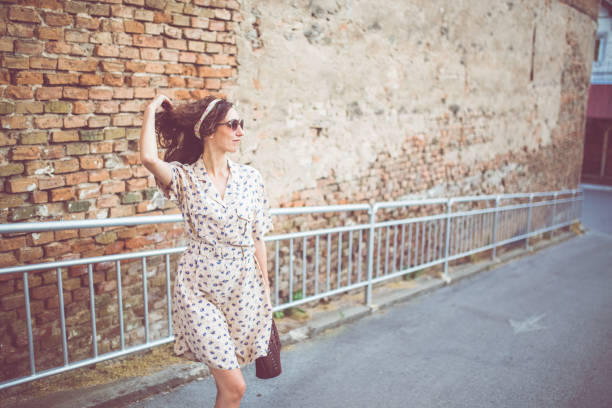

Fashion is often described as a cycle, and history proves that trends never truly disappear—they simply evolve and return with a modern twist. In recent years, vintage styles have made a powerful comeback, influencing everything from clothing and accessories to interior design and lifestyle choices. From the elegance of the 1950s to the bold aesthetics of the 1990s, retro trends are once again dominating runways, social media feeds, and everyday wardrobes. But what is driving this revival? Why are people increasingly drawn to styles from the past? Let’s explore how vintage fashion is reclaiming its spotlight and reshaping modern culture.
The Meaning of Vintage in Modern Times
Vintage fashion typically refers to clothing and accessories that are at least 20 years old, representing a particular era’s style and culture. Unlike fast fashion, vintage pieces often carry a story, craftsmanship, and uniqueness that modern mass-produced garments may lack. Today, wearing vintage is not just about fashion—it’s about expressing individuality, sustainability, and appreciation for timeless design.
In the age of social media, individuality has become more important than ever. People want to stand out rather than blend in. Vintage clothing allows individuals to create distinctive looks that feel authentic and personal. Instead of wearing what everyone else is buying, fashion enthusiasts are exploring thrift stores, flea markets, and online resale platforms to find rare, one-of-a-kind pieces.
Sustainability and Conscious Consumerism
One of the biggest reasons behind the resurgence of vintage styles is sustainability. The fashion industry is one of the largest contributors to environmental pollution. Fast fashion encourages constant consumption, leading to excessive waste and harmful environmental practices. As awareness about climate change and ethical production grows, consumers are turning toward sustainable alternatives.
Buying vintage clothing reduces demand for new production, minimizes waste, and extends the lifecycle of garments. It promotes recycling and responsible consumption. Many young consumers see vintage shopping as a way to reduce their carbon footprint while still enjoying stylish outfits. This shift toward conscious consumerism has played a significant role in bringing retro fashion back into mainstream culture.
Influence of Pop Culture and Celebrities
Pop culture has always influenced fashion trends, and vintage revival is no exception. Celebrities and influencers often draw inspiration from past decades, reintroducing iconic styles to modern audiences. For example, the glamorous silhouettes of the 1950s, popularized by stars like Marilyn Monroe, continue to inspire fitted dresses and bold red lips. Similarly, the rebellious leather jackets and denim looks associated with James Dean remain timeless symbols of cool.
The 1990s have also made a dramatic comeback. Oversized blazers, crop tops, mom jeans, and chunky sneakers are heavily inspired by icons such as Britney Spears. Social media platforms amplify these influences, allowing trends to spread rapidly across the globe. When celebrities are seen wearing vintage-inspired outfits, fans quickly adopt similar styles.
Television series and films set in earlier decades also play a role in reviving fashion trends. Period dramas and nostalgic reboots introduce younger generations to styles they may never have experienced firsthand. As viewers connect emotionally with these eras, they often begin incorporating those aesthetics into their own wardrobes.
The Rise of Thrift Culture
Thrift shopping has transformed from a budget necessity into a fashion statement. Young shoppers proudly showcase their thrifted finds online, encouraging others to embrace second-hand fashion. The thrill of discovering hidden gems adds excitement to the shopping experience.
Online platforms have made vintage shopping more accessible than ever. Digital marketplaces allow users to buy and sell retro clothing worldwide. This global access has expanded the reach of vintage fashion, making it easier for people to experiment with different eras and styles.
Additionally, thrift culture aligns with the growing DIY movement. Many fashion enthusiasts enjoy customizing vintage pieces—altering jackets, distressing jeans, or adding embroidery—to create something entirely unique. This creativity enhances the appeal of vintage fashion and keeps it fresh and modern.
Nostalgia and Emotional Connection
Nostalgia is a powerful emotion. In times of uncertainty, people often look to the past for comfort and inspiration. Vintage fashion offers a sense of familiarity and warmth. Wearing styles from earlier decades can evoke memories of childhood, family traditions, or cultural milestones.
For younger generations, vintage fashion provides a romanticized glimpse into eras they didn’t personally experience. The charm of polka-dot dresses, high-waisted trousers, or retro band tees carries an aesthetic appeal that feels both nostalgic and novel. This blend of old and new creates a unique emotional connection that modern designs sometimes lack.
Vintage Beyond Clothing
The vintage revival extends beyond fashion. Interior design, music, photography, and even branding have embraced retro influences. Mid-century furniture, vinyl records, and film cameras are gaining popularity. Restaurants and cafes often adopt retro themes to create distinctive atmospheres. This broader cultural shift reinforces the appeal of vintage aesthetics across multiple aspects of life.
Social media platforms further fuel this trend. Filters that mimic film grain, sepia tones, and old-school textures allow users to create vintage-inspired visuals instantly. The digital world, ironically, has become a key driver in bringing back analog charm.
Modern Twists on Classic Styles
While vintage styles are making a comeback, they are rarely copied exactly as they were. Designers often blend retro elements with contemporary silhouettes and fabrics. For example, high-waisted jeans may be paired with modern crop tops, or classic trench coats may feature updated cuts and sustainable materials.
This fusion of past and present keeps vintage fashion relevant. It allows individuals to honor tradition while embracing innovation. The result is a dynamic fashion landscape where creativity thrives.
Economic and Social Factors
Economic conditions also influence fashion trends. During uncertain financial times, consumers may prioritize affordability and durability. Vintage clothing is often well-made and long-lasting, offering better quality than many fast-fashion items. Additionally, buying second-hand can be more budget-friendly.
Social movements emphasizing authenticity and self-expression further contribute to the vintage revival. People are moving away from uniform trends and seeking personal style. Vintage fashion empowers individuals to experiment, mix eras, and tell their own stories through clothing.
The Future of Vintage Fashion
The comeback of vintage styles is not just a temporary trend—it reflects deeper cultural shifts. As sustainability becomes increasingly important and individuality remains a priority, vintage fashion is likely to continue growing. Technology will make second-hand shopping even more convenient, while designers will keep reinventing retro aesthetics for new generations.
Ultimately, vintage fashion represents more than clothing. It embodies history, craftsmanship, sustainability, and emotional connection. By embracing styles from the past, modern society is redefining what it means to be fashionable.
In a world driven by rapid change, vintage fashion reminds us that some things never go out of style. The past continues to inspire the present, proving that true style is timeless.