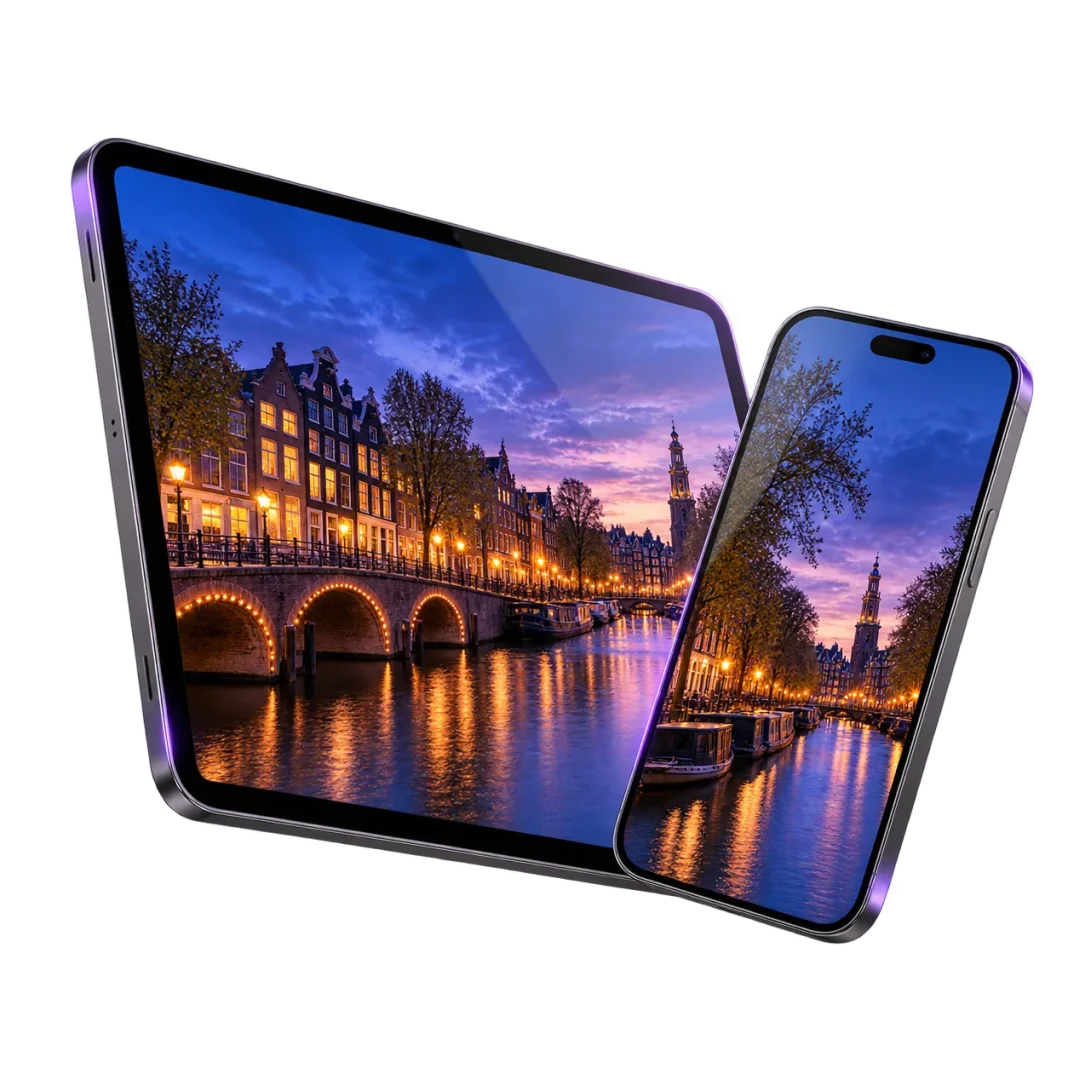

Deciding to iptv kopen has become an increasingly popular decision for Dutch consumers looking to cut bloated cable subscriptions without sacrificing quality or channel variety. Across the Netherlands, media consumption habits have evolved at an unprecedented pace. The days when Dutch living rooms were uniformly tethered to a proprietary coaxial wall outlet and a bulky set-top box from a single legacy telecommunications provider are steadily fading into history. Instead, households from Amsterdam and Rotterdam to rural communities in Gelderland and Friesland are prioritizing digital freedom, lower monthly expenses, and universal multi-device access.
Recent industry market research from Telecompaper indicates that Dutch consumer spending on digital streaming platforms has officially overtaken expenditure on traditional linear TV subscriptions. This shift is not merely a passing phase; it represents a fundamental transition in how entertainment is purchased, distributed, and enjoyed. With widespread gigabit fibre-optic coverage, flexible app ecosystems, and rising living costs, modern viewers are reassessing whether traditional television contracts still deliver value in the contemporary digital age.
The Economic Drivers of the Dutch Cord-Cutting Movement
For years, traditional telecommunications conglomerates such as Ziggo and KPN operated with minimal competitive pressure on their traditional television packages. Customers routinely accepted annual price increases, hardware rental fees for multiple TV boxes, and rigid one-to-two-year lock-in contracts as the unavoidable cost of enjoying television. However, several compounding economic factors have triggered a massive cord-cutting wave throughout the Netherlands.
First, the rapid fragmentation of content has led to intense subscription fatigue. In order to follow domestic football in the Eredivisie, track Formula 1 racing, watch the UEFA Champions League, and keep up with popular international dramas and Dutch reality television, a household previously needed separate paid subscriptions to platforms like Viaplay, Videoland, ESPN Complete, Ziggo Sport Totaal, and Netflix. When aggregated, these services routinely push monthly home entertainment budgets above €100 to €130. By contrast, modern internet-based protocols aggregate thousands of live international channels, sports packages, and on-demand titles into a consolidated platform at a fraction of the traditional cost.
Second, the rising cost of living has forced Dutch consumers to scrutinize fixed monthly overheads. While internet connectivity remains an essential utility, paying high supplementary fees for hundreds of standard broadcast channels that go unwatched makes little financial sense. By decoupling television services from their broadband packages, consumers can maintain ultra-fast internet while sourcing customized television options on their own terms.
High-Speed Fibre Infrastructure: The Dutch Digital Advantage
The viability of modern television streaming in the Netherlands is heavily supported by the country’s world-class telecommunications infrastructure. The Netherlands consistently ranks among the most digitally connected nations in Europe, with extensive Fibre-to-the-Home (FTTH) networks deployed by operators like KPN, Glaspoort, and Delta, alongside modernized Gigabit cable networks from VodafoneZiggo.
Unlike older DSL connections that suffered from severe line attenuation and signal degradation during peak evening periods, fibre connections deliver symmetrical upload and download speeds with near-zero latency. This technological baseline provides the exact foundation required for high-bitrate live video distribution. Live streaming in 4K UHD at 50 or 60 frames per second demands stable, uninterrupted throughput. Because Dutch households enjoy symmetrical 500 Mbps, 1 Gbps, or even higher broadband tiers, local bandwidth constraints are virtually non-existent, ensuring that playback issues typically stem from remote server limitations rather than local network bottlenecks.
Essential Criteria Before You Decide to IPTV Kopen
With the market expanding rapidly, the difference between an exceptional viewing setup and an unstable connection comes down to infrastructure quality. Before you decide to iptv kopen, evaluating several technical criteria will ensure you invest in a seamless, broadcast-grade solution that satisfies the demanding standards of Dutch audiences:
- Robust Server Architecture and Anti-Freeze Protocols
Live sports and high-profile television broadcasts draw massive simultaneous viewer spikes. During crucial Eredivisie derbies, European championship matches, or Max Verstappen race weekends, poorly configured servers buckle under the load. Premium providers mitigate this by using high-capacity, load-balanced Content Delivery Networks (CDNs) hosted in major European data exchange hubs like AMS-IX (Amsterdam) and DE-CIX (Frankfurt). This localized peering ensures ultra-low ping rates, minimal packet loss, and robust anti-freeze buffering protection during peak traffic hours.
- High Frame-Rate Sports Streaming (50/60 FPS)
Standard video streaming often caps frame rates at 25 or 30 frames per second. While sufficient for movies and talk shows, fast-moving sports broadcasts appear blurry, stuttered, or choppy at low frame rates. Serious sports enthusiasts must look for streams delivered in native 50 or 60 frames per second at 1080p Full HD or 4K Ultra HD resolution, which reproduces the crisp, fluid motion of broadcast television.
- Comprehensive Dutch and International EPG Integration
A television solution is only as convenient as its navigation interface. Reliable platforms incorporate an automated, continuously updated Electronic Program Guide (EPG). For Dutch viewers, this means full program schedules for NPO 1, 2, and 3, RTL channels, SBS6, and premium sports feeds, alongside full European programming. An accurate EPG also enables intuitive catch-up functionality, allowing viewers to easily replay broadcasts that aired over the previous 48 to 72 hours.
- Extensive Multi-Language Video on Demand (VOD)
Beyond live broadcast channels, modern viewers expect an expansive on-demand catalog. Top-tier providers maintain frequently updated libraries featuring the latest cinematic releases, complete series box sets, and documentaries. For the Dutch demographic, the availability of multi-language audio tracks and accurate Dutch subtitles (ondertiteling) is a critical quality indicator.
Multi-Device Flexibility and Software Integration
One of the defining advantages of modern digital streaming over legacy hardware is complete hardware independence. Dutch viewers are no longer bound to a proprietary operator decoder box that monopolizes an HDMI port and requires its own dedicated remote control.
Today’s streaming environments operate effortlessly across an extensive range of popular consumer devices:
- Smart TVs: Native applications run directly on modern smart television operating systems, including Samsung Tizen, LG webOS, and Android TV / Google TV platforms like Philips and Sony.
- Dedicated Streaming Media Players: Devices such as the Apple TV 4K, Nvidia Shield TV, Chromecast with Google TV, and Amazon Fire TV Stick offer superior processing power, providing instantaneous channel switching and smooth graphical interface navigation.
- Mobile and Desktop Devices: Whether using a tablet while commuting on the NS train network, an iPad in the kitchen, or a Windows/Mac laptop while traveling abroad within the European Union, your personal subscription travels with you.
For Android-based streaming platforms, specialized media applications such as TiviMate provide a refined user experience that rivals or exceeds the interface of traditional cable decoders, offering features such as customizable channel groupings, multi-screen viewing for simultaneous sports matches, and scheduled cloud recording.
Practical Steps to Optimize Your Viewing Performance
To maximize streaming quality and eliminate local playback anomalies, implementing a few practical network adjustments within your home can deliver substantial improvements:
- Establish a Hardwired Ethernet Connection: While modern Wi-Fi 6 routers are capable, wireless signals remain vulnerable to structural interference from concrete walls, competing residential networks, and household electronics. Connecting your primary streaming media player or Smart TV directly to your router via a Cat6 Ethernet cable guarantees uninterrupted throughput and rock-solid latency.
- Utilize Independent DNS Resolvers: Some Internet Service Providers (ISPs) utilize internal DNS servers that can slow down name resolution requests or periodically interfere with media streaming endpoints. Switching your router’s default DNS settings to high-performance public resolvers—such as Cloudflare (1.1.1.1) or Google Public DNS (8.8.8.8)—ensures rapid domain queries and consistent routing.
- Configure Hardware Decoding in Your Player: In your IPTV application settings, verify that your media player utilizes hardware acceleration (HW/HW+) rather than software decoding. Hardware decoding offloads video processing directly to your device’s graphical processor, preventing overheating, frame drops, and battery drain.
The ongoing transformation of the Dutch television market reflects a broader cultural embrace of digital efficiency and consumer autonomy. By pairing the country’s outstanding broadband infrastructure with flexible streaming solutions, Dutch households can enjoy an expansive world of live entertainment, premium sports, and cinema without the excessive costs and restrictive contracts of the past.