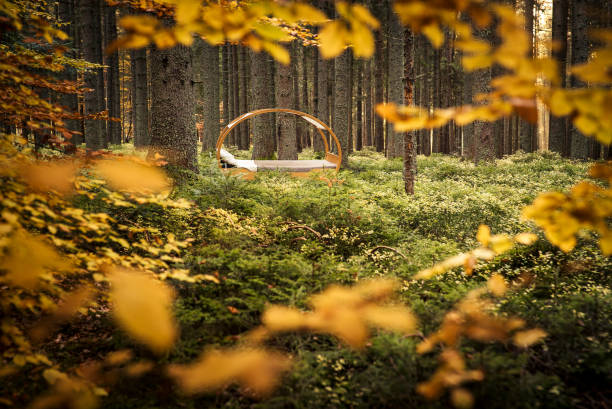

In today’s fast-paced world, lifestyle choices often reflect our values, priorities, and aspirations. Two popular yet contrasting approaches to living are minimalism and luxury. On one hand, minimalism promotes simplicity, intentional living, and freedom from excess. On the other hand, luxury celebrates comfort, exclusivity, and the enjoyment of high-quality experiences. While they may seem like opposites, minimalism and luxury are not necessarily enemies. In fact, finding a balance between the two can lead to a more fulfilling and meaningful life.
Understanding Minimalism
Minimalism is more than just owning fewer things. It is a mindset that encourages people to focus on what truly matters by removing distractions and unnecessary possessions. The philosophy gained mainstream popularity through movements inspired by books like The Life-Changing Magic of Tidying Up by Marie Kondo, which emphasized keeping only items that “spark joy.”
Minimalists believe that too many possessions create stress, clutter, and mental overload. By reducing physical and emotional clutter, individuals can experience greater clarity, freedom, and financial stability. Minimalism encourages thoughtful consumption—buying less but choosing carefully. It shifts the focus from material accumulation to experiences, relationships, and personal growth.
However, minimalism does not mean deprivation. It does not require living in an empty white room or giving up comfort. Instead, it is about intentional choices. A minimalist may choose to own only a few high-quality items rather than many cheap ones. The goal is to create space for what truly adds value to life.
Understanding Luxury
Luxury, in contrast, is often associated with wealth, status, and indulgence. It includes premium products, designer brands, five-star travel experiences, and exclusive services. Brands like Louis Vuitton and Rolls-Royce symbolize elegance, craftsmanship, and prestige.
Luxury is not just about price; it is about quality and experience. A luxury product often offers superior materials, attention to detail, and exceptional service. For many people, luxury represents success and achievement. It can provide comfort, pleasure, and confidence.
However, when pursued without balance, luxury can become a trap. Constantly chasing expensive items or status symbols may lead to financial strain and emotional dissatisfaction. The desire to impress others can overshadow genuine happiness. Luxury without intention may result in excess rather than enjoyment.
The Conflict Between Minimalism and Luxury
At first glance, minimalism and luxury appear incompatible. Minimalism promotes owning less, while luxury often encourages acquiring more. Minimalism values simplicity; luxury often celebrates extravagance.
But the real conflict is not between minimalism and luxury—it is between intention and excess. The problem arises when possessions, whether many or expensive, control us instead of serving us.
For example, someone may fill their home with countless decorative items, leading to clutter and stress. Another person may buy high-end products simply to maintain a certain image. In both cases, the focus shifts from meaningful living to external validation.
True minimalism does not reject quality. True luxury does not require excess. The key lies in understanding personal values and making conscious decisions.
Finding Your Personal Balance
Finding balance means combining the best aspects of both lifestyles. It involves embracing simplicity while appreciating quality. Instead of choosing between minimalism and luxury, you can create a lifestyle that reflects both.
-
Invest in Quality, Not Quantity
Rather than buying many low-cost items, choose fewer high-quality ones. For example, instead of owning ten average outfits, you might select five well-made pieces that last longer and fit perfectly. This approach aligns with minimalist values while enjoying the refinement of luxury.
-
Prioritize Experiences Over Objects
Luxury does not always mean physical goods. It can be a peaceful vacation, a fine dining experience, or time spent with loved ones. A minimalist mindset encourages valuing meaningful experiences. You can enjoy luxury moments without filling your life with unnecessary possessions.
-
Define What Luxury Means to You
Luxury is subjective. For some, it is a designer handbag. For others, it is quiet time, good health, or freedom from debt. When you define luxury based on personal fulfillment rather than social expectations, it becomes more meaningful and sustainable.
-
Practice Intentional Spending
Before making a purchase, ask yourself: Does this truly add value to my life? Will it bring long-term satisfaction? Intentional spending helps prevent impulsive decisions and ensures that even luxury purchases are thoughtful and aligned with your goals.
-
Create a Calm Yet Comfortable Space
A balanced home environment can be both simple and elegant. Clean spaces with carefully chosen décor can feel luxurious without being crowded. Soft lighting, quality furniture, and neutral colors can create comfort while maintaining minimalism.
The Psychological Benefits of Balance
Blending minimalism and luxury can have positive psychological effects. Minimalism reduces stress by eliminating clutter and simplifying daily routines. Luxury, when experienced intentionally, can enhance joy and self-confidence.
When you stop chasing trends and focus on what truly matters, you gain emotional freedom. You no longer compare yourself constantly to others. Instead, you build a lifestyle that reflects your authentic self.
Financially, balance also offers advantages. Minimalist habits reduce unnecessary spending, while selective luxury investments ensure you enjoy the best without overspending. This combination promotes long-term stability and satisfaction.
Avoiding Extremes
Living at either extreme can create problems. Extreme minimalism may lead to discomfort or a sense of restriction. Extreme luxury may create pressure to maintain a certain image or lifestyle.
Balance requires self-awareness. It means recognizing when you are accumulating out of habit or insecurity. It also means allowing yourself to enjoy comfort and beauty without guilt.
Life is not about proving how little or how much you can own. It is about living intentionally and joyfully.
Conclusion
Minimalism and luxury are not opposites but complementary forces when approached wisely. Minimalism teaches us to value simplicity and clarity. Luxury reminds us to appreciate quality and comfort. By blending both philosophies, we can create a life that is both meaningful and enjoyable.
Finding your balance means understanding your priorities, spending intentionally, and focusing on what truly enhances your well-being. Whether you choose a simple wardrobe with premium fabrics or a clutter-free home with elegant touches, the goal remains the same: to live a life that reflects your values and brings lasting happiness.
In the end, true luxury may not be about owning more—but about needing less and appreciating what you have.