
A major roof restoration or full tear-off represents one of the largest capital expenditures a property owner will face. Because an overhead structure safeguards everything beneath it, managing a high-stakes roofing project requires a clear strategy that moves beyond simple cosmetic upgrades.
From interpreting complex contractor proposals to evaluating modern material lifespans, navigating this investment demands careful planning and objective evaluation.
Evaluating Scope: Repair, Overlay, or Full Tear-Off
When signs of wear appear, property owners must first determine the proper scope of work. Misdiagnosing the condition of an overhead structural system can lead to wasted capital on superficial fixes or unnecessary expenses on prematurely replacing sound materials.
A simple repair is appropriate when damage is isolated, such as a few wind-damaged shingles or localized flashing deterioration around a chimney. However, when widespread degradation occurs, property owners are often presented with two main paths:
- Roof Overlay (Re-topping): Installing a new layer of shingles directly over an existing layer. While this option saves initial labor costs and eliminates disposal fees, it hides underlying deck damage, adds structural weight, and generally carries shorter manufacturer warranties.
- Full Tear-Off: Stripping the roof down to the wooden decking. Although it requires a higher upfront investment, a full tear-off allows crews to inspect and repair structural rotted wood, replace degraded underlayment, and ensure modern ventilation and ice/water shields are properly installed.
In many jurisdictions, local building codes restrict the maximum number of allowable roofing layers (often capped at two). If your building already has an overlay, a complete tear-off is legally required during the next replacement cycle.
Decoding Contractor Quotes and Scope of Work
Comparing estimates from different trade contractors can be challenging. A low estimate might seem attractive, but it often indicates omitted work, lower-grade materials, or hidden costs that appear later as change orders.
A comprehensive roofing estimate should explicitly break down materials, labor costs, permit fees, and disposal terms.
Estimate Component
What to Look For in a Quality Proposal
Decking Inspection
Clear per-sheet or linear-foot pricing for replacing damaged plywood or OSB sheathing.
Underlayment Type
Specific mention of synthetic underlayments or self-adhering ice/shield membranes over basic felt.
Flashing & Ventilation
Line items for replacing drip edges, valley metal, step flashing, and ridge vents.
Cleanup & Disposal
Explicit inclusion of tear-off labor, dumpster rental fees, and magnetic yard sweeping.
When sourcing bids, finding a reliable Roofing Company Near Me that provides itemized transparent estimates helps eliminate surprises during construction.
Material Economics: Balancing Longevity and Upfront Cost
Roofing materials vary widely in weight, installation complexity, thermal efficiency, and expected service life. Selecting the right material requires weighing immediate budget constraints against the total cost of ownership over several decades.
Architectural Asphalt Shingles
Architectural (or dimensional) asphalt shingles remain the dominant residential choice due to their balance of affordability and aesthetic flexibility. High-grade laminated shingles offer wind resistance up to 130 mph and expected lifespans between 25 and 30 years.
Standing Seam Metal
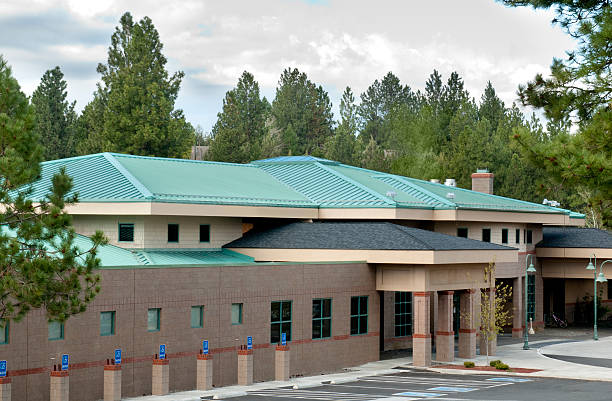
Metal systems, crafted from steel, aluminum, or copper, have gained significant market share due to their exceptional durability and fire resistance. Concealed fastener standing seam panels protect against leaks, reflect solar heat, and can easily last 40 to 70 years with minimal maintenance.
Concrete and Clay Tile
Tile roofing provides a classic architectural look and exceptional durability against extreme weather conditions. However, clay and concrete tiles are heavy. A structural engineering review is often required before transitioning a structure from lighter asphalt to heavy tile to verify load capacities.
The Critical Role of Underlayment and Ventilation
The visible surface material is only the outer barrier of a roofing assembly. The underlying performance of any overhead protection system depends heavily on invisible components: the underlayment and attic ventilation network.
Underlayment acts as a secondary water barrier beneath shingles or tiles. Modern synthetic polymer underlayments offer superior tear resistance and UV stability compared to traditional asphalt-saturated felt paper. In areas vulnerable to ice dams or wind-driven rain, self-adhering rubberized asphalt membranes are essential along eaves and valleys to seal around nail penetrations.
Equally critical is balanced attic ventilation, which requires an equal intake (at the soffits or eaves) and exhaust (at the ridge or upper slopes). Proper air turnover achieves two goals:
- Moisture Control: Prevents warm, moist air from trapped indoor spaces from condensing on the underside of roof sheathing, which causes wood rot and mold.
- Thermal Regulation: Exhausts excess heat during hot months, reducing thermal strain on roofing materials and preventing premature shingle curling or granule loss.
Execution and Project Management Strategies
Once a contract is executed, preparing your property for installation minimizes operational disruptions and protects surroundings. Roofing projects create noise, vibration, and falling debris.
Before work begins, clear driveways and patios to allow easy access for material delivery trucks and tear-off dumpsters. Move sensitive items in the attic space, as vibrations can dislodge dust and loose items stored near the rafters. Additionally, ensure the contractor outlines a daily cleanup protocol, including using industrial magnets to clear nails from surrounding walkways and lawns.
Establishing open communication with your chosen Roofing Company Near Me before the first shingle is removed ensures the project runs smoothly, stays on schedule, and yields a durable protective barrier built to last for decades