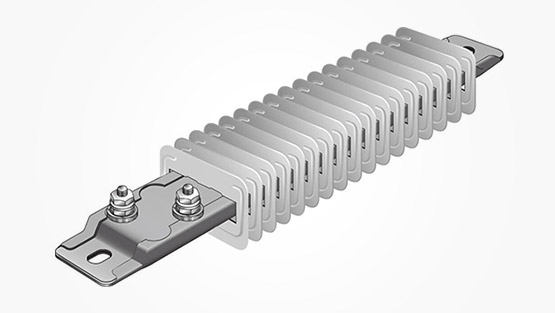

Tooling rarely heats evenly when its shape, mass, or operating cycle falls outside standard equipment designs. Small temperature differences can affect material flow, dimensional accuracy, surface finish, and production speed. Custom industrial heaters become necessary when off-the-shelf components cannot provide the fit, heat pattern, or electrical performance a tool requires.
Complex Tool Shapes Leave Standard Heaters With Poor Contact
Irregular molds, dies, sealing bars, and forming tools often contain narrow spaces, curved sections, or internal features that limit heater placement. Standard cartridge heaters may fit the available bore yet place too much heat in one area and too little in another. A custom design can adjust the heated length, diameter, lead exit, and internal watt distribution to follow the tool’s geometry more closely.
Better contact also lowers the risk of localized overheating. Air gaps between a heater and its bore act as insulation, forcing the sheath to run hotter before energy reaches the surrounding metal. Precisely sized components help transfer heat into the tooling instead of trapping it at the heater surface.
Uneven Thermal Mass Requires Zoned Heat Distribution
Thick areas of a tool absorb more energy than thin sections, while corners and exposed edges lose heat faster to the surrounding air. Uniform-wattage industrial heating products may therefore create a tool that appears balanced on paper but develops significant temperature differences during operation.
Distributed wattage solves that problem by placing higher output where the tool needs more energy and lower output near sensitive regions. Separate zones can also give the control system independent authority over areas that warm at different rates. This arrangement supports steadier processing conditions without requiring operators to raise the entire tool temperature.
Limited Space Calls for Purpose-Built Heater Dimensions
Compact machinery often leaves little room for a conventional heater body, terminal block, or straight lead connection. Equipment designers may need shorter unheated sections, right-angle exits, threaded fittings, or flexible leads that route around moving parts.
Several space-related conditions commonly justify custom construction:
- Bores with uncommon diameters or shallow depths
- Tooling positioned close to guards or machine frames
- Lead paths exposed to pinch points or abrasion
- Tight assemblies that require low-profile terminations
- Replacement applications with obsolete heater dimensions
Purpose-built industrial heating accessories allow the element and its connections to fit the machine without major tooling modifications. That approach can be more practical than enlarging bores, relocating wiring, or redesigning an otherwise functional assembly.
Fast Production Cycles Demand Controlled Warm-Up
Rapid molding, stamping, sealing, and forming cycles place heavy demands on the heating system. A heater that responds too slowly may extend startup time, while excessive power can overshoot the setpoint and destabilize the process.
Careful wattage selection gives the tool enough energy to recover after each cycle without creating damaging sheath temperatures. Custom industrial heaters may use high-output sections near heat-loss areas and gentler output around sensors or delicate surfaces. Matching the thermal response to the machine cycle helps maintain consistent part quality as production speeds change.
Sensitive Materials Need Tighter Temperature Uniformity
Plastics, adhesives, films, composites, and specialty resins may process correctly only within a narrow temperature range. Excess heat can scorch material, change viscosity, weaken bonds, or leave visible marks on finished parts. Low temperatures can cause incomplete filling, poor adhesion, or longer cycle times.
Accurate heater placement works alongside thermocouples and controllers to reduce those variations. An industrial heating elements manufacturer can design zones around the actual flow path of the material rather than applying equal heat across the entire tool. Such control becomes especially useful in medical, packaging, electronics, and precision manufacturing applications.
Harsh Conditions Can Damage Ordinary Heater Construction
Tooling may expose heaters to vibration, moisture, oil, cleaning chemicals, pressure, or repeated thermal expansion. Standard leads and terminations can fail early when they lack suitable insulation, seals, strain relief, or mechanical protection.
Reinforced transitions, stainless-steel braid, sealed caps, and high-temperature lead materials extend durability in demanding settings. Facilities sourcing industrial heaters USA may also need specific voltage ratings, grounding arrangements, and domestic connection standards. Custom construction brings those electrical and environmental requirements into the heater design from the start.
Replacement Tooling May Depend on Obsolete Specifications
Older machines often use heaters that no longer match standard catalog sizes. Missing drawings, unusual bore dimensions, and discontinued electrical ratings can make direct replacement difficult.
Reverse engineering allows a supplier to recreate key features from the original component or tooling measurements. Resistance, wattage, heated length, sheath material, and lead configuration can be reviewed before a replacement enters production. This method helps preserve valuable machinery without forcing a costly redesign around modern stock parts.
Thermal Corporation provides cartridge heaters and related industrial heating accessories for molds, dies, sealing systems, and other process tooling with specialized demands. Its capabilities support custom dimensions, wattage profiles, lead arrangements, sheath materials, and electrical ratings based on the tool’s geometry and operating conditions. Working with an experienced industrial heating elements manufacturer gives equipment builders a clearer path to reliable heat, easier installation, and longer service life.